


Digital commerce has reshaped Canadian litigation and alternative dispute resolution, including which courts hear cases and what counts as evidence. Three features in this year’s Lexpert Litigation Special Edition each illuminate a different dimension of that shift.
International commercial arbitration was already adapting to technology before the pandemic accelerated the trend. Canada has benefited: its established strengths as a seat – an independent judiciary, adoption of the UNCITRAL Model Law, and costs well below those of London or New York – were already compelling, and virtual proceedings have since extended its geographic reach. Rachel Howie of Dentons Canada LLP points to “world-class dedicated hearing facilities,” while Rahat Godil of Fasken Martineau DuMoulin LLP argues that Canada’s reputation for “fairness, neutrality, and diversity” has never been timelier. Luis Sarabia of Davies Ward Phillips & Vineberg LLP is direct about the cost advantage: “We compete with American law firms and UK law firms for that work, and our costs are vastly less than those US firms.”
Online communication and commerce are also testing the geographic limits of class action law. Nick Rodrigo of Davies Ward Phillips & Vineberg LLP joined the BC bar in part because, under national mobility rules, even emailing about a BC file counts as a day of practice in the province. A first generation of claims under the Competition Act’s new drip-pricing prohibition targets the incremental price disclosures made possible by digital platforms. Cases like Clare v. Meta Platforms – where copyrighted works were allegedly scraped to train AI models outside Canada – force courts to consider when Canadian law reaches conduct with little domestic footprint.
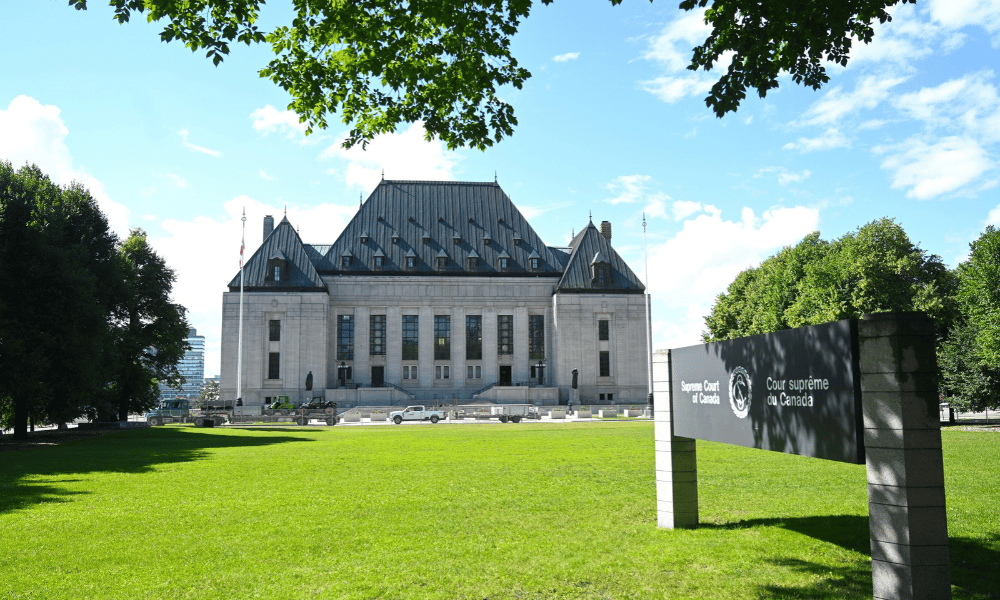

Nowhere is the digital shift more visible than in the law of spoliation. The Supreme Court of Canada updated its framework this summer for the first time in 130 years, ruling in SS&C Technologies Canada Corp. v. Bank of New York Mellon Corp. at a time when records can be destroyed far more easily than in the era of paper burning. Ren Bucholz of Paliare Roland Rosenberg Rothstein LLP captures the stakes: “This issue of spoliation is more relevant today than it was in the past because of the ease with which documents are generated and potentially destroyed.”
The Lexpert Special Edition Litigation also includes our annual top 10 business decisions.